
Echocardiography Procedures: How TTE and TEE Tests Work
Wondering what an echocardiography procedure involves? Here is how a transthoracic (TTE) and a transesophageal (TEE) echocardiogram are done, step by step.

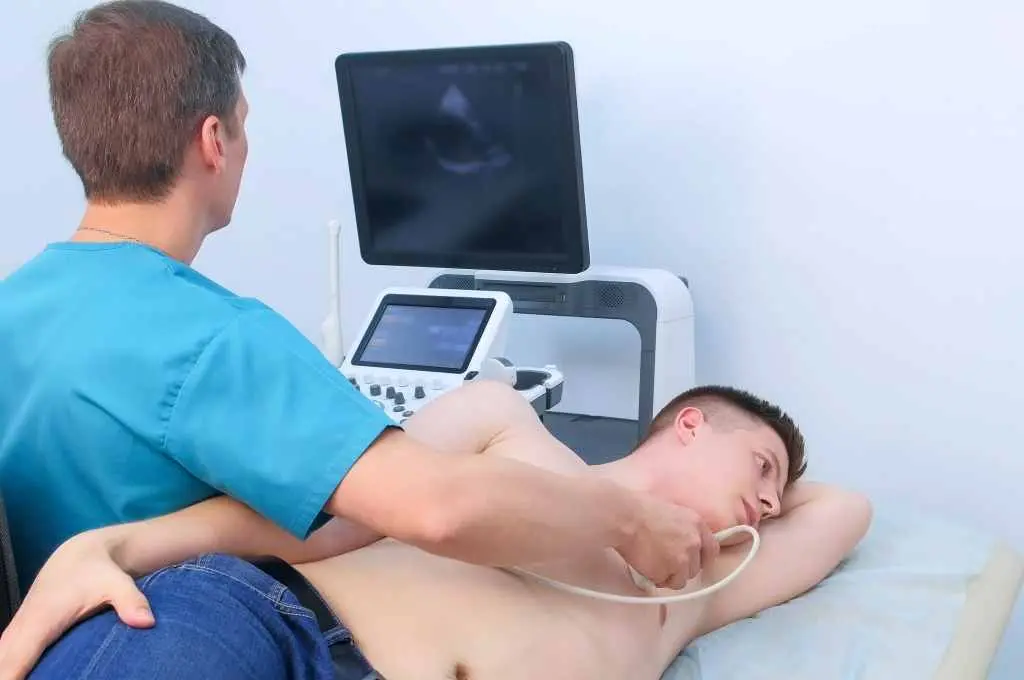
The echocardiography procedure differs depending on which type of echocardiogram you have. If you want to know the steps and procedure for each type, this guide will be worth reading. Here is the full rundown.
Echocardiography Procedures
- Transthoracic echocardiogram (TTE)
In the first type of procedure, the patient is asked to lie down on a bed, usually after taking off or removing their shirt. Electrodes can then be attached at several points on the chest of the patient being examined.
Next, the cardiologist performing the exam spreads lubricating gel around the chest and moves a probe connected to a monitor. The sound waves picked up by the electrodes and the probe are then recorded.
The doctor can see the results on a monitor placed close to the patient. With this type of echocardiogram, the patient may hear a whooshing sound during the scan. This is normal and nothing to worry about, because the probe is picking up the flow of blood.
The patient will then be asked to take a long breath or hold their breath. The patient is also asked to turn onto their left side while the doctor presses the probe against the chest. This lets the images be captured clearly, though it can cause temporary discomfort.
Also read Tips for Preventing Heart Disease
- Transesophageal echocardiogram (TEE )
The next type is the transesophageal echocardiogram (TEE ). After the patient lies down, they are given a sedative, either as an injection or as a local anesthetic spray, so the doctor can pass an endoscope through the mouth and down into the esophagus.
In this procedure, a blood pressure monitor, an oxygen level monitor and electrodes are also attached to track the patient's condition during the procedure. Once the endoscope is in the right position, the doctor records images of the heart, including the valves, in greater detail. This is done with sound wave technology.
The procedure varies with the type of echocardiogram. The aim of these methods is to learn more about what is happening inside the heart. If a patient is examined early, it becomes a way to anticipate any dangerous heart disease. So if you have symptoms, see a cardiologist right away.