Heart Rhythm Disorders: Arrhythmia Symptoms and Treatment
Arrhythmia symptoms and treatment explained: how to spot a heart rhythm disorder and how it is diagnosed, from electrophysiology tests to pacemakers.

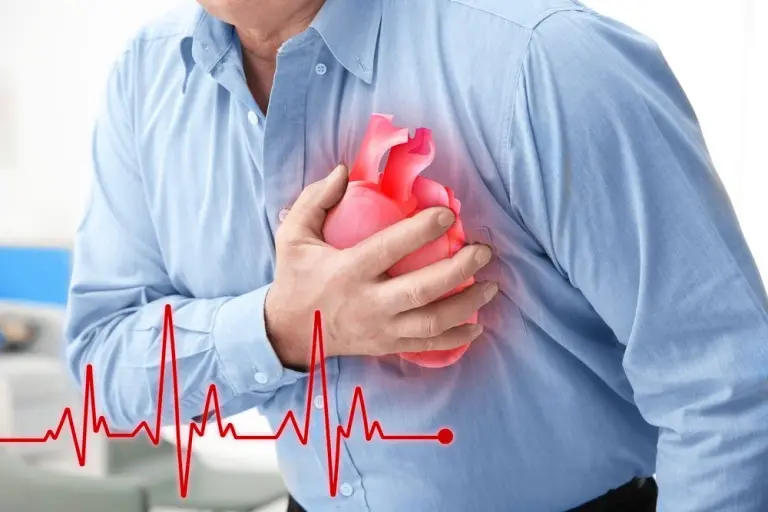
A heart rhythm disorder is a heart abnormality that anyone can have. It may not be significantly dangerous at first, but without proper treatment such as electrophysiology intervention, it can have fatal consequences. In some cases it can even cause sudden death. Read on.
A Quick Look at Arrhythmia, or Heart Rhythm Disorder
Arrhythmia is a condition in which the rhythm or rate of the heartbeat is abnormal. It usually shows up as a heartbeat that is too fast or too slow, and tends to be irregular. The trigger is a disturbance in the electrical impulses that travel to the heart's muscle cells, called the myocardium.
Millions of people in Indonesia have this heart condition, and the most common type is atrial fibrillation. Most arrhythmias can be considered harmless. But if the heart rhythm becomes disturbed or damaged, symptoms and fairly dangerous complications can appear, along with a high risk of death.
There are several ways to identify a normal heart rhythm. One is to count the heartbeats per minute at rest. Normal heart rates vary quite a bit, but according to the American Heart Association (AHA), a normal heart beats at about 60 to 100 bpm.
Also read Echocardiography Procedures for the Heart
Symptoms and Signs of an Arrhythmia
Some people can't feel any symptoms or signs of this condition. In fact, a heart rhythm disorder is sometimes discovered when the patient undergoes an electrophysiology intervention exam. Without prompt help, it can lead to complications and even sudden death.
People who notice symptoms of a heart rhythm disorder usually have a condition that is still mild. By contrast, if no symptoms are felt, the arrhythmia may already be severe and need proper care from a doctor. Left alone, it can cause stroke and heart failure.
The symptoms a patient experiences depend on the type of arrhythmia. In general, though, many patients experience shortness of breath, dizziness, palpitations, fainting, chest pain and confusion. If this happens, see a cardiologist right away to find out your condition.
Also read Tips for Preventing Vascular Disease
How Arrhythmia Is Treated
Like other heart diseases, a heart rhythm disorder has its own specific treatment. First, though, the doctor will perform an electrophysiology intervention to diagnose the type of arrhythmia. Another approach is a cardiac stress test, done through exercise such as walking on a treadmill.
For treatment, the doctor will fit a pacemaker to control the heartbeat rhythm. The doctor will also prescribe medication to reduce episodes of arrhythmia. All of these treatments are available if you choose Heartology for your heart care.
Also check the profile of one of the doctors at Heartology, Dr. Dicky Hanafy: heartology.id/dr-dicky-armein-hanafy