4 Ways to Maximize the Carcass Weight of Broiler Chickens
Low carcass weight cuts farm income. Learn 4 ways to raise broiler carcass weight: feed management, DOC care, probiotics and vaccines, plus warning signs.

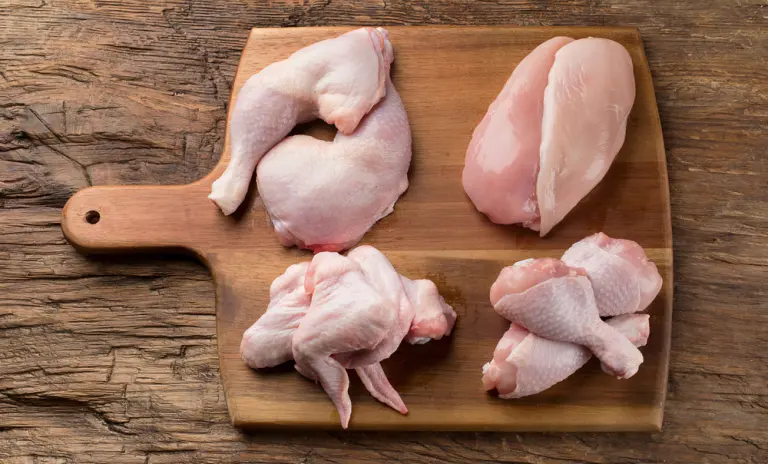
Broiler carcass weight varies. Some carcasses are light, while others exceed the normal range. When carcass weight is low, the price of the meat is low too. Broiler farmers naturally want their carcass meat to reach normal size, but not every farmer gets that. Some have to take a loss because the broiler meat from their farm falls short or is far from normal, and consumers then refuse to buy it. To avoid losses from carcasses that are too small, read on for ways to maximize broiler carcass weight:
Contents
Good Feed Management
Carcass weight depends on how the chickens are cared for on the farm. If care is optimal, carcass weight will be optimal. Farmers must not neglect broiler care, because whether it was optimal shows in the finisher period, when the broilers are ready for harvest. An important way to maximize broiler carcass weight is good feed management. Without it, the chickens' growth and development will not be optimal.
For layers and broilers alike, feed strongly affects weight and growth. Give high-nutrition feed, and make sure each chicken gets its proper portion. Uneven feeding leads to uneven growth.
Raising DOC Successfully
Another way to maximize broiler carcass weight is to raise day-old chicks (DOC) well. Failing with DOC can cause failure in the two periods after it, grower and finisher. Succeeding takes attention to many things, from housing to feed. Buying super-quality DOC helps farmers care for the chicks on the farm. Do not buy low-quality or ungraded DOC, because its survival rate is low.
Probiotics
Today, probiotics are the key to success in broiler farming. They have remarkable benefits for broiler growth and development. Broilers given probiotics every day, from the starter period to harvest, have been shown to grow well and to resist disease strongly. The most noticeable benefit is lower feed costs, because the broilers' digestive tract absorbs feed fully and less is wasted in the droppings.
Vaccines
To maximize carcass weight, farmers must protect their chickens from disease. Vaccines are one way to prevent diseases that endanger the chickens' growth and development. Broiler diseases can spread quickly, and some cannot be treated. That is why vaccines are needed to keep chickens healthy.
Signs of Low-Weight Broilers
A broiler's weight in the finisher period is not much different from its weight as a carcass, which has had its feathers, offal and so on removed. Farmers can tell whether the carcass weight will be maximal or low from the chickens' characteristics. Chickens with low body weight will also have a low carcass weight. They look stunted, with thin chests and a listless manner, and the most accurate way to know their weight is to weigh them regularly.
Carcass weight affects farmers' income. Many farmers worry that their carcass weight will be far below normal and cause them a loss. That is why, to maximize broiler carcass weight, farmers must do their best in raising the chickens so that losses do not occur.
Read also: 4 Ways to Raise Organic Broiler Chickens Successfully