Types of Diabetic Wounds (Gangrene) and Their Treatment
Types of diabetic wounds include dry, wet, Fournier's, internal and gas gangrene. Learn how each one shows up and how doctors treat diabetic gangrene.

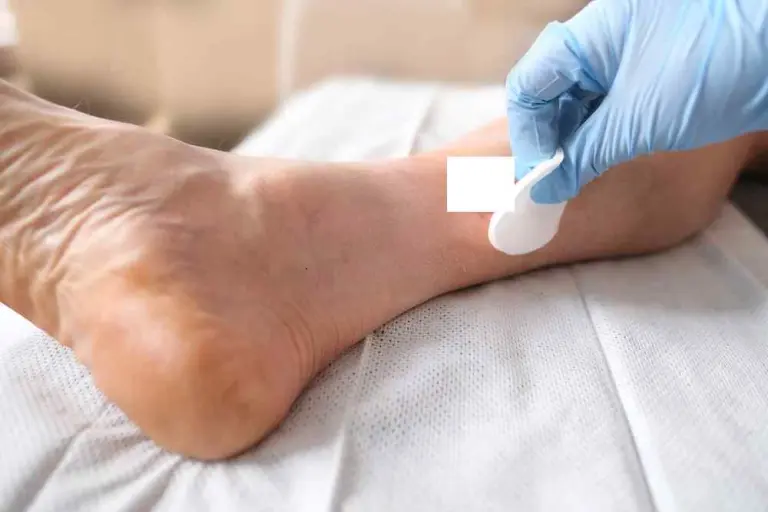
Wounds are one of the most feared complications of diabetes. Wounds take a long time to heal in people with diabetes, and in the worst cases an injury can lead to amputation. As a precaution, let's look at the types of wounds caused by diabetes and how to treat them.
Why Are Diabetic Wounds Hard to Heal?
Diabetes is a condition in which the body's insulin hormone is impaired. Because of this, the body has trouble controlling blood sugar levels. If your blood sugar keeps rising, it affects the function of your white blood cells. As you know, white blood cells play an important role in the immune system.
Because hyperglycemia damages the white blood cells, the body can't clear bacteria and heal wounds as well as it should. Diabetes also slows blood circulation, which means nutrients needed for healing reach the injured part of the body more slowly.
Read Also: Why Diabetic Wounds Are Slow to Heal
Types of Diabetic Wounds
- Dry Gangrene
Dry gangrene is marked by the wounded skin turning purple, blue, black or dark brown. The skin also shrinks because it loses water and dries out. Dry gangrene develops gradually and is common in patients with peripheral artery disease or poor blood flow to the extremities.
- Wet Gangrene
This type usually appears on the feet of people with diabetes. The wound often goes unnoticed but hurts when scratched. Wet gangrene is marked by swelling on the skin's surface, inflammation, a damp feeling around the wound, and blisters.
- Fournier's Gangrene
Wounds caused by diabetes can appear on any part of the body, including Fournier's gangrene. This type appears in the genital area or urinary tract and is caused by an infection. Signs include swelling around the genitals or bladder, along with very severe pain.
- Internal Gangrene
This type of diabetic wound happens when internal organs, such as the gallbladder and intestines, become blocked, so blood can't flow properly. Symptoms of internal gangrene usually include fever and very severe pain, and they keep getting worse.
- Gas Gangrene
Gas gangrene often attacks muscle tissue. It is marked by skin that turns pale and slowly changes to a purplish red, until bubbles filled with gas or air finally appear. Gas gangrene can be caused by a Clostridium perfringens infection in bleeding surgical patients or in patients with injuries.
How to Treat Diabetic Wounds
Healing a diabetic wound quickly takes careful treatment and the involvement of a medical team. Gangrene in people with diabetes can be treated in several ways, including antibiotics, hyperbaric oxygen therapy, surgery to remove dead tissue from the wound, and even amputation.
If you notice symptoms of a diabetic wound, talk to your doctor right away so you get treatment that fits your condition. The earlier it is treated, the better the chance of recovery. We hope this information is useful and easy to understand.